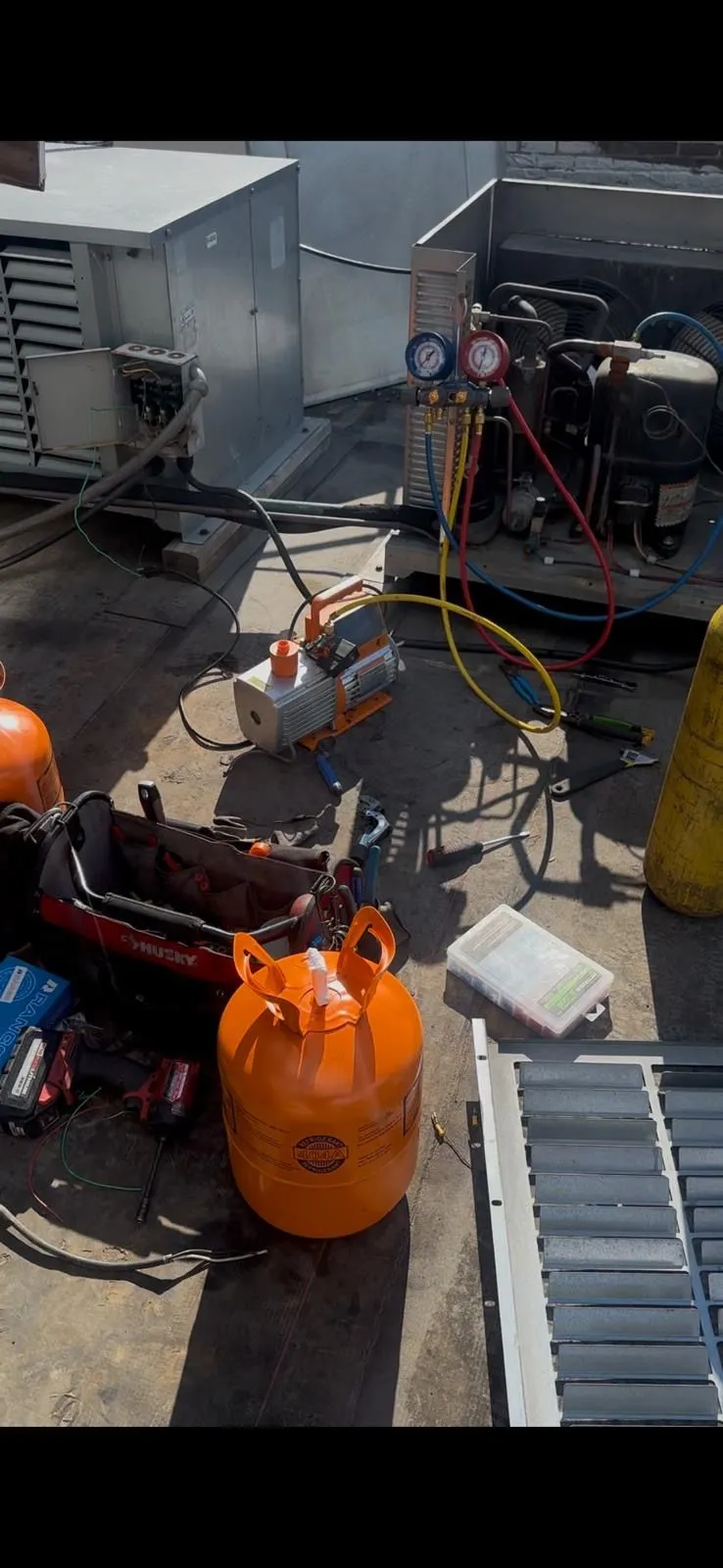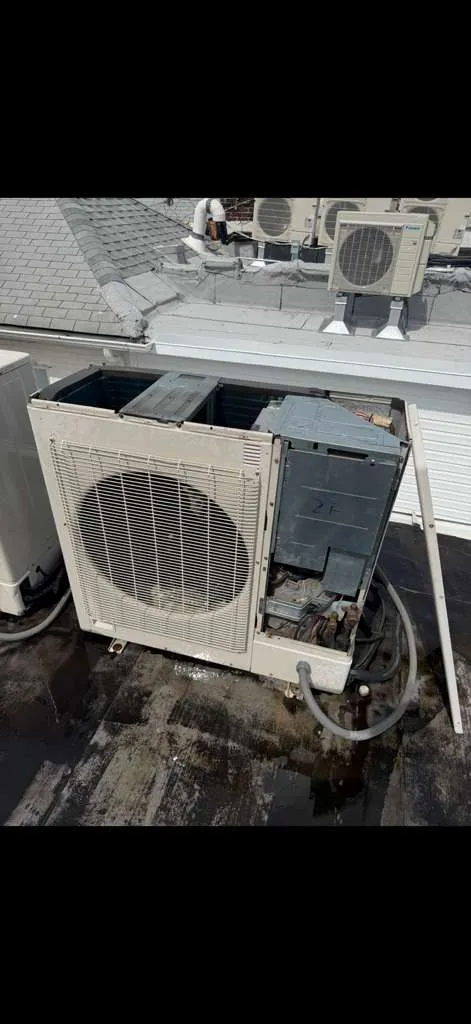
Your walk in cooler is drifting warm. Product is on the line. The compressor is grinding, or the temperature display shows numbers you do not want to see. When commercial refrigeration fails, every hour matters. The right first steps protect thousands of dollars in inventory and keep you inside health code while a technician gets on the road. Here is exactly what to do, in the order that saves the most product.
Call for Emergency Service Immediately
Every minute counts, so call before you start troubleshooting. Our emergency line answers 24/7. Tell the dispatcher what type of unit (walk in cooler, walk in freezer, reach in, display case), what the current temperature reads if you can see it and what you notice (unusual sounds, ice buildup, water on the floor). That information helps route the closest technician with the right parts on the truck.
While you wait, do the steps below. Do not wait around wondering. Time spent working the checklist is product saved.
Protect the Most Sensitive Product First
Not all product fails at the same rate. Fresh dairy goes first, then raw protein (chicken, ground meat, fish), then prepared foods and deli items, then temperature-sensitive produce, then everything else. Move product in that order to whatever backup you have.
Options for backup storage: another operating cooler on site if you have capacity, ice-packed coolers for short-term holding, or a nearby food service business (favors get returned in this industry). For long outages we can coordinate a rental unit. Whatever you move, keep it moving fast. Every open door cycle costs you cold air.
Check What You Can Check Safely
Two things you can check without special tools. First, the door seal. Run your hand around the gasket while the door is closed and feel for cold air escaping. If you can slide a dollar bill through the seal and pull it out easily, the gasket is failing. Second, look at the evaporator (the fan unit inside the cooler). Is it running? Is it iced over? Ice on the coil blocks airflow completely.
If you see heavy frost or a solid ice sheet on the evaporator, that is likely your problem, but do not try to defrost it yourself with a heat gun or hot water. Let the technician handle it. And do not crank the setpoint colder hoping to catch up. On a struggling system, that adds runtime and speeds up the icing.
The first thirty minutes decide whether you lose a shelf or the whole cooler. Every step on this list is a shelf saved.
Document Everything for Compliance
Health inspectors do not grade on effort, but they do give credit for documentation. Start a written or phone log the moment you notice the problem. Record the time you first saw the issue, the temperature at first observation, the time you called for service, the temperature every thirty minutes while waiting, where any product got moved, and what actions you took.
Also photograph the equipment and any obvious damage. This log is your defense if there is an inspection during the outage, and insurance claims for lost product move faster with visual documentation. Keep the log even after the repair is complete, since some claim processes take weeks.
What the Technician Does When We Arrive
A licensed refrigeration technician starts with the equipment, not the assumption. First we take a temperature reading. Then we check the door seal, the evaporator, the condenser (the outdoor coil), the refrigerant charge and the compressor status in that order. That sequence catches the easy fixes fast, which are usually the door gasket, a failed capacitor or a dirty condenser.
If temperature can be stabilized on the first visit, we do that first before doing any deeper repair work. Then we schedule any additional parts or return trips without letting temperature drift again. See our commercial refrigeration service for the full scope of what we handle.
Backup Cold Storage Options
The right backup depends on how long the outage will last and how much product needs protection. Here is the honest tradeoff.
Another working cooler on site with capacity. Fastest, no cost, best product protection.
Buy ice fast, load coolers immediately. Only good for four to six hours before temperature drifts.
Extended outages over a business shift. We coordinate delivery when timeline runs long.
What Happens Next
Once we are on site, we diagnose and repair whenever possible on the same visit. For issues that need parts we do not stock on the truck, we stabilize the temperature first and schedule a return within 24 hours. Every repair comes with a free written estimate before work begins.
For same-day emergency, call the office and mention refrigeration. For non-emergency service (preventive maintenance, planned upgrades, new install estimates), contact our team for a free written estimate.